A well laid slate roof is more than sanctuary. It is a crown that silences the house under it. When you stand back from the drive and seek out at effectively clothed programs, real lines, and the soft shine that just rock can hold, you feel the durability that timber and asphalt try to imitate but never ever attain. That is why owners of building slate mention stewardship. The roof will likely outlast them, but only if it is preserved with an eye trained by experience and a hand that appreciates the material.
I have actually invested enough winters in Chicagoland to see what freeze, thaw, and wind can do to a proud roofing. Naperville homes in certain really feel the full rhythm of Midwestern climate, with the 40 degree temperature level swings that tiredness bolts, ice that sneaks under flashing, and springtime storms that tear at every subjected edge. Slate itself is not the problem. Premium quality Vermont or Pennsylvania slate, also the better imported rock, barely adjustments from decade to decade. The softer components of the system break down initially, and they can be safeguarded if you recognize where to look and what to deal with long prior to a leak discovers indoor plaster. That is our day-to-day work at Salvo, and it is finished with the exact same quiet precision you anticipate in a great watch.
Understanding the personality of your slate
Not all slate roofs want the same treatment. Recognizing the stone's origin and grade helps you anticipate exactly how it will age. A thick, unfading Vermont green will certainly rest gladly for a century if its copper is audio. A ribboned Pennsylvania gray, handsome in its variegation, might flake quicker if it brings significant carbon seams. Imported Spanish slate runs a range, from robust to breakable, relying on the quarry. A knowledgeable eye reads the stone by its bosom, the crispness of its sides, and exactly how it responds when carefully tapped with a hammer. A bell-like note indicate limited grain and toughness. A boring thud hints at weakness.

Dimensions matter as well. Thicker slates, the 1/2 inch and 3/4 inch items used on estate work, brush off foot web traffic and hail. Criterion 1/4 inch slates demand lighter steps and softer ladders. Patterned roofs, with finished programs or scalloped butts, use their water in a different way and require particular interest at changes. Architectural details such as brow dormers, turrets, and converging valleys amplify both the charm and the maintenance load. None of this is a disadvantage. It merely establishes the standard for exactly how we intend solution and what we keep in the truck.
What actually falls short on slate roofs
Few failures start in the middle of a field of stone. They begin where products fulfill, at motion joints and discontinuations. In Naperville and the surrounding suburban areas, the repeat offenders are predictable.
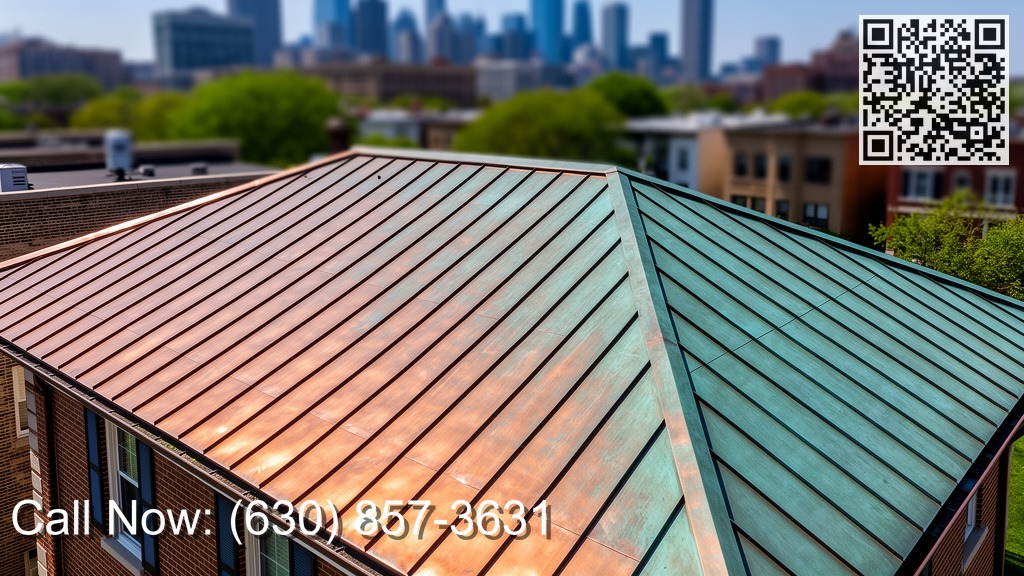
Flashing ages long before slate. Galvanized steel flashing from mid-century builds reaches completion of its life in 30 to half a century, depending upon finish density and exposure. You see the whitening, then red rust, then pinholes at bends. As soon as those seams open, water complies with the course of least resistance along vertical joints and locates the nearby nail hole. Copper blinking, if correctly specified at 16 to 20 ounce weight and formed without over-stretching, will certainly serve 60 years and more. Still, we rework copper that has actually thinned at high stress and anxiety factors, particularly where snow and ice grind along valleys each winter.
Fasteners give up next. Initial iron nails wear away, swell, and snap, leaving perfectly healthy slates slipping down the roofing system like loose switches. Even copper nails can fail if they were under driven, over driven, or established right into rotten sheathing. Every period, we locate 3 or four roofs where half the calls for "fractured slate" are truly "missing out on nail."
Footfall leaves its own signature. A solitary hurried journey by a satellite installer can break a loads corners. The fractures commonly run from the nail hole to the butt, and those cracks leak just when wind pressures water uphill or when ice forms and expands. A home owner could never see the damages from the ground, however the plaster tarnish appears 2 months later on, precisely where the boot marks went across the plane.

Finally, air flow and warm loss sculpt ice dams at eaves. Cozy air running away into a chilly attic melts the bottom of snowpack, water diminishes to the overhang, after that refreezes. Repeating does the rest. Eaves and lower valleys carry the heaviest damage, with back up that raises slate and evaluates the initial course above the metal. No person wins those battles without a plan.
The seasonal rhythm that keeps slate roofing systems happy
You can ignore a slate roofing for many years and it will continue to look classy, ideal up to the day it does not. Attentive maintenance follows a calendar that values weather, access, and the realities of a working home. We have tuned ours to neighborhood problems so our clients recognize what to anticipate and when.
Spring wants a complete aesthetic scan once the ice is gone. We walk the roof covering with padded shoes, a hen ladder where pitch determines, and a set of binoculars from the ground to examine delicate trim. We evaluate valleys and dormers initially. Any kind of slate with a broken corner or via fracture is noted for replacement. We examine flashing joints with gentle penetrating, never ever a lever. Gutters are removed and pitched so the very first thunderstorm does not flooding the fascia. If any kind of snow guards have actually changed, we reset or replace them before the summertime heat establishes their screws in place.
Late summer season prefers steel job. Copper materializes more voluntarily when it is warm. Solder moves cleanly and develops smooth fillets along seams. This is when we replace worn out valley metal, counterflash smokeshafts, reconstruct ridge caps, and check bolts at saddles and crickets. We collaborate with 16 to 20 ounce copper for most details, stepping up to larger supply where snow load is violent. Where a style desires the great restriction of zinc or stainless, we plan and carry out so different steels do not touch and produce galvanic solution invokes the road.
Autumn is for preparedness. We run last checks before the first freeze, validate that warmth cable televisions, if used, are operating, and established storm staging where needed. Ice and water guard under slate is not a remedy, neither is it compulsory for every repair work, yet we understand where it gains its keep, particularly at eaves on homes with complicated or minimal air flow. We agree on snow removal borders with owners so nobody takes a shovel to the very first training course in January.
Here is the basic house owner checklist we share annually to support that rhythm.
- After heavy storms, stroll the property and seek slate fragments on the ground or in gutters, and keep in mind any type of new ceiling areas indoors. From the grass, check the roofline with binoculars for slipped slates, open ridge joints, or shiny touches along valleys. Keep trees trimmed at the very least 8 to 10 feet off the roof covering to prevent abrasion and lower organic debris in gutters. Confirm attic vents are open and unobstructed, and inspect insulation levels to restrict heat loss that drives ice dams. If any kind of professional needs roof accessibility, call us initially to establish safe paths and security so steps do not come to be repairs.
How we approach maintenance, information by detail
The goal is straightforward, maintain water going on top of the roof covering and out to daytime. Nothing fancy. Everything done right.
Valleys are our first top priority on older roofings. We typically discover 24 inch large galvanized valleys, currently paper slim at the facility, below two cool joints of slate. We open the valley, salvage entire slates where feasible, and install new copper, 20 inches to 24 inches wide depending upon pitch and snow lots. We develop stiffening ribs so water tracks center, and we clothe slate back into location with ideal direct exposure. Side laps are checked, and we anchor any kind of compromised slates with copper bibs or stainless hooks to stay clear of unnecessary nail holes.
Chimneys are worthy of an artisan's patience. Step flashing and counterflashing are only like the mortar joint they relax in. We reduced proper reglets, not face-sealed kerfs, and we build kickout details that in fact kick water out. Where the brick has actually softened, we resolve block and tuckpointing first, after that return to the steel. The elegance is quiet. When finished, the flashing looks inevitable, as if it had constantly belonged.
Ridges and hips differ with the period of your house. Numerous Naperville homes put on copper ridge rolls with a faint peening pattern. Others bring saddle slates clothed over a narrow cedar roll. We review each for honesty and for the means they air vent the setting up. If a ridge is purely ornamental, we guarantee it stays water tight. If it is the setting up's only air vent, we rebuild it so it takes a breath without drawing snow or wind-driven rain under. Flashings at hips commonly hide split battens, so we probe and change wood where required to keep nails attacking fresh stock.
Fasteners are not flexible. Copper nails for slate, ring-shank stainless where copper would be foolish, and the appropriate size so the factor does not smash the https://www.tumblr.com/solitaryheroquasar/818218949172936704/regional-roofing-contractors-naperville-il-salvo back of a fragile slate when set. We hand drive on the repairs that require it, and we never ever seat a slate with force. There is an unusual special to toggling a slate hook right into the appropriate angle so it cradles the stone without showing from the ground.
Gutters and eaves online difficult lives. We like half-round copper on historical homes, and K-style aluminum or steel where budget plan or design factors by doing this. A leakage at the rear of a rain gutter can imitate a roofing leakage, so we always examine with a pipe before we condemn the slate. Warm cables, when required, are transmitted and anchored with a craftsman's treatment, not draped at the last minute on a snowy day.
Snow retention is both security and style. In the city, we see a lot of harmed landscape design beds and dented mechanicals from snow slides. On steep slate, we define pads or bars in a pattern that spreads out force and values visual lines. Copper or stainless only, set on strong substratum, with sealer as a courtesy, not as a prop. A well prepared grid ends up being a design aspect, a refined banding that maintains winter season where it belongs.
Minor repair work that protect against major damage
Not every see is a renovation. Many calls begin with one water place on a ceiling or a wet scent in a dormer storage room.%2